
Building Aliens From Scientific Literature
How I'm turning biology research into playable creatures.

Scientific Game Design
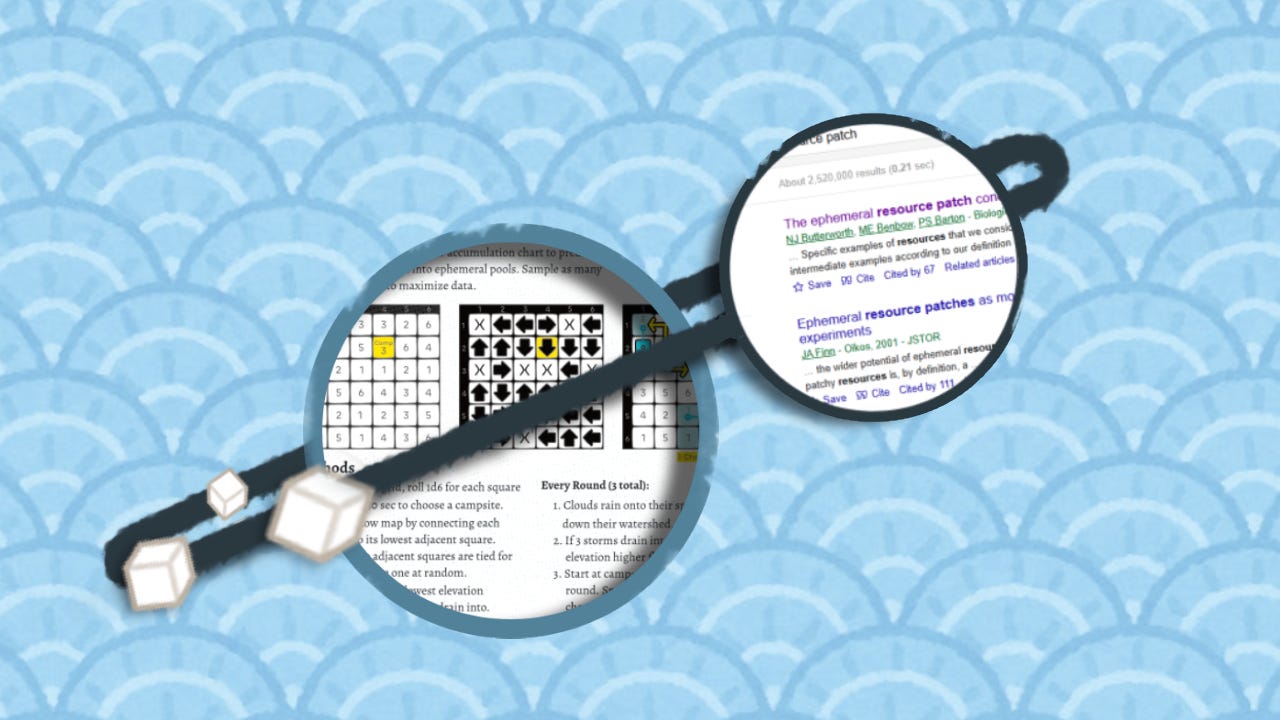
While developing my Untitled Xenobiological Game, I needed a routine to consistently develop new aliens that followed some central tenets:
Engaging and Entertaining to Imagine: The kind of stuff that makes shows like Scavengers Reign interesting to watch. Fast-Fiction is required to take players into sci-fi topics and alien worlds quickly and specifically without it reading like a textbook.
Backed in Real and Interesting Science: Rather than repeating familiar topics like Coral Bleaching or Axolotl Healing, creatures must introduce core themes through uncommon angles (i.e. Iron-Induced Black Reefs or Bone Tissue Grafting). This allows the game to stand-out and provide something more original..
Properly Connected to Mechanics: Since each alien in my TTRPG has an associated minigame, there is ample opportunity to connect the mechanics directly to the creature's biology and themes. If a character is injecting antibodies into their lung boils to determine where a parasite is thriving, the player should have to use their own breathing as part of the system.
Further reading on why I’m running with these themes:


The Alien has a Skeleton
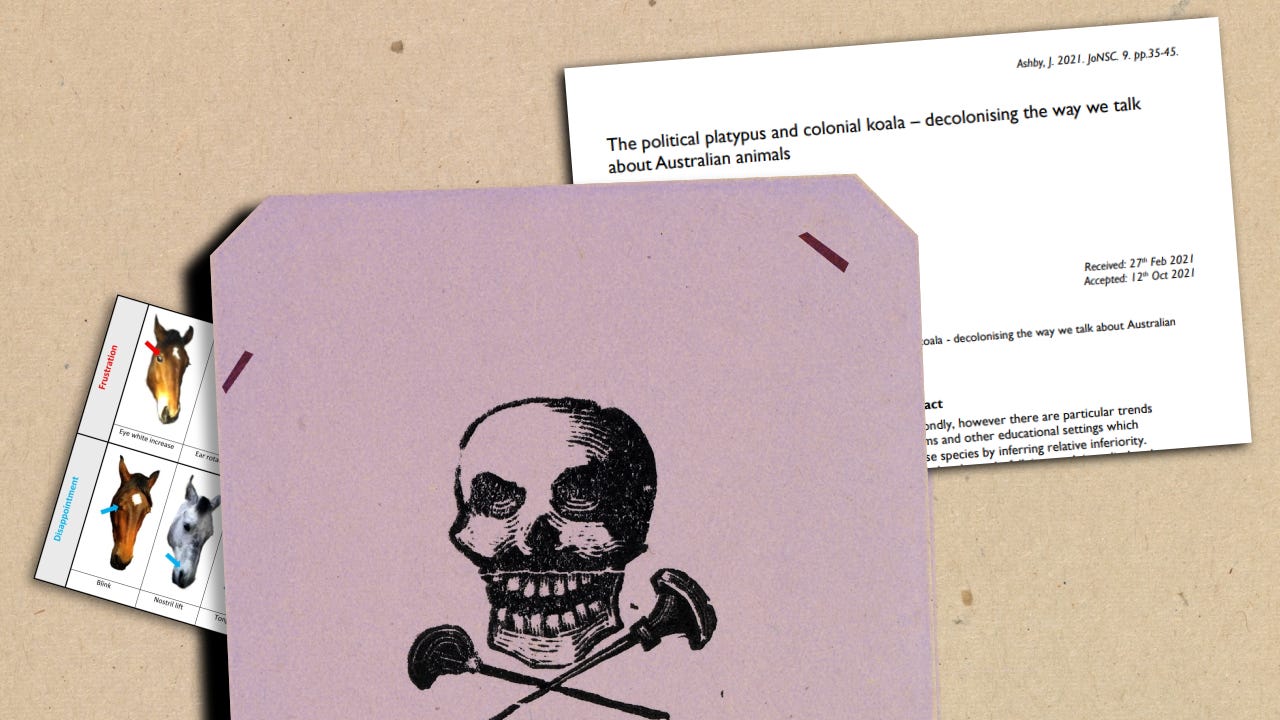
My first step each time is to hop on Google Scholar, a search engine that lets you find academic papers. I generally search for papers from the past few years, which raises the odds of finding both nuanced topics and up-to-date information. These will provide resources and helpful limitations to create a unique biological alien.
Doing this research with friends also helps with the fun.
Credit to Alec Brown for his assistance in this one:
Xenobiological Notes, July 2026
Summaries of info we identified as interesting.
…These tropes include calling species “weird,” “strange,” or “primitive,” comparing them to placental mammals, implying evolution is directional, and portraying Australian wildlife as uniquely dangerous. While seemingly harmless, these ideas can other and devalue Australian wildlife… The political platypus and colonial koala – decolonising the way we talk about Australian animals, 2021
…Horses display distinct facial expressions when frustrated or disappointed, though their negative emotional states are often poorly recognized. Their subtle visual signals, including eye direction, ear position, and facial expressions, reflect a complex emotional and social world… Recognising the facial expression of frustration in the horse during feeding period, 2023
…Raccoons thrive in developed areas, increasing contact with humans and pets and potential rabies exposure. Researchers can track raccoon populations using rapid genetic testing and environmental DNA, revealing that nearby populations tend to be more genetically similar… Are rabid raccoons (Procyon lotor) ready for the rapture? Determining the geographic origin of rabies virus-infected raccoons using RADcapture and microhaplotypes, 2023
(Ok so we didn’t end up following through with this article, but I still thought the title was worth sharing.)
…Some aquatic animals have sound-sensitive organs that help them maintain balance and sense gravity. Because sound travels about five times faster in water, researchers use tools like MRI, electron microscopy, and laser Doppler vibrometry to study these systems. Studies also show that human-made noise can affect decapod metabolism and alter metabolism-related genes in bivalves... Marine invertebrates and noise, 2023
For each paper, we read four abstracts (summaries) fully, then skimmed through the rest of the papers as need be while taking notes. If we didn’t understand a concept, we Googled it. Twice so far I really loved a paper, but couldn’t access the rest of it due to paywalls, so I emailed an author and received a PDF within the hour. Scientists are pretty cool.

Forming The Flesh
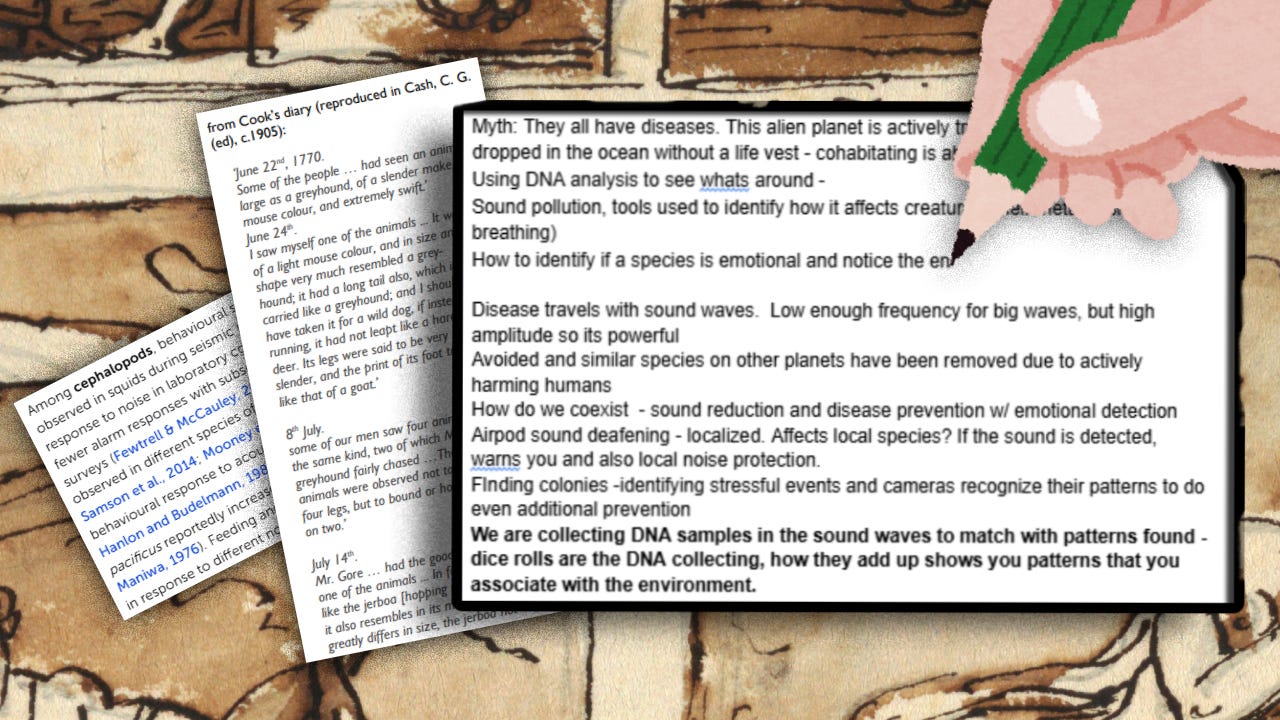
Next we asked: How can a lifeform incorporate all four of the themes described in the research?
I really loved the decolonization paper we found and wanted to use it as the central lesson of this creature. As you are not biologically from this planet, of course its parasites and diseases are going to mess you up. It’s like jumping into the ocean without a life vest and then calling water the most hazardous place on Earth.
So, what if this creature produced an extremely high-amplitude, low-wavelength sound that formed air patterns to spread spores to competing wildlife? It sounds horrible to live in a world where hearing a specific sound means you already know you’re sick before you can do anything about it.
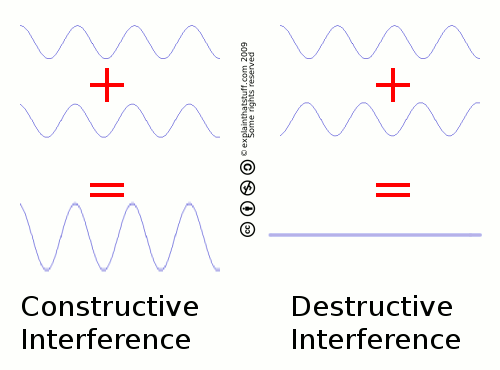
Let’s have our humans act like a plant. We can’t run from our problems, so we have to find ways to coexist with them. Perhaps, like how AirPods produce opposing sound waves to block out noise, your suit could learn to produce the same effect and locally minimize the harm. Nothing large enough to affect the ecosystem; minor disturbances are normal.
However, the science shows that these signals vary, and only a small percentage of them actually carry spores. They seem to be associated with moods, highlighted in metabolic and protein fluxations. This brings us to the theme of our coming minigame: Can we identify the moods of this seemingly intelligent producer and, even further, identify the stress events that cause it to release spores?
With the right tech, we can ensure humans aren't adding to the organism’s stress events, while leaving behind sensors close to the identified colonies so when the correct moods are detected, any humans in range can react and remain safe.
Identifying the Moods of a Hive

Your job is to collect and analyze emotional-alien data to produce your own metaphorical life vest.
Alec referred me to a game called Shut the Box, where players roll two dice and flip down numbered tiles corresponding to either an individual die or the total of both dice. For example, rolling a 2 and a 5 lets you flip down the 2, the 5, or their sum, 7. Get all the numbers down to win.
The game’s visual aesthetic feels like it could fit a hive, and with some modification, it gives us a way to connect the mechanics of number and dice matching to our theme of associating sounds with moods.
I’m also reminded of games like 2d6 Dungeon and Dice Throne, where specific dice combinations correspond to specific abilities, and players can reroll dice a limited number of times to try to hit the combinations they need.
So perhaps our minigame works like this: you roll dice and record the sums you hit. At any point, you can spend those sums as points to unlock moves.
Example Moves:
[5] Anthro-Avoidance: All 3’s now count as a 4.
[10] Depth-Sensors: Doubles allow you to reroll an extra die.
Finally, there’s a set number of moves you can have, leading to a timer.
The numbers represent moods, the dice rolls reflect gathering data, and you are applying different methods to try to analyze the patterns under different assumptions with limited resources. The strategy involves risking spending gained points in order to maximize your chance of getting everything with various move options.
Now we have a scientifically-based organism, and a game that helps us study it!
Reflections and Input
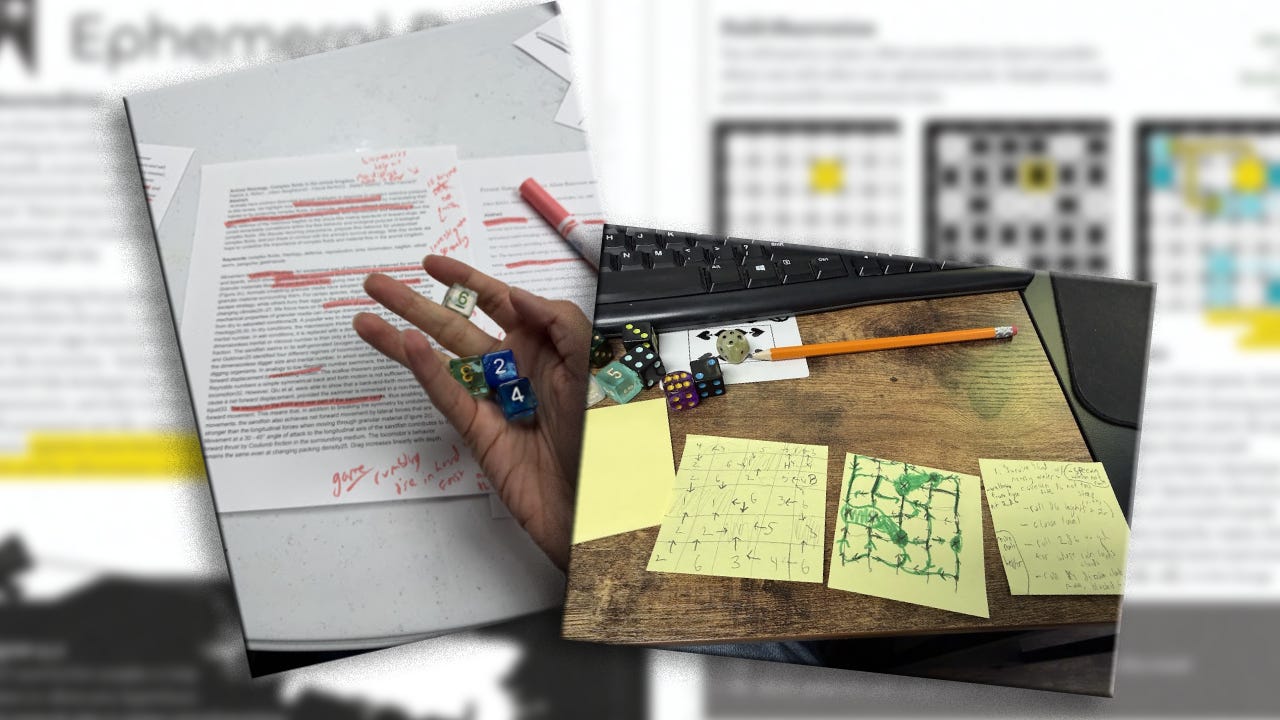
That’s the Kai Srinivasan-Medina Method™™™™™ of designing a scientifically-based alien for a tabletop system! It’s been working out for me, and I hope its helpful for anyone else out there looking for ways to translate science into art.
I haven't fine tuned this specific creature card yet, but please! If you have any ideas, recommendations, or concerns with how this one will run or how it fits into the alien’s theme, let me know below!
Finally, if you’d be interested in playtesting, supporting, or just hearing more about my Unnamed Xenobiology Game, subscribe to get occasional updates!